Mai–Out offers a good combination of climate, landscape and operation of producers, markets and gastronomic experiences throughout the itinerary.
GERMANY · WINES + NATURE
GERMANY — MOSEL & RIESLING
Six days down the Moselle: the Roman Trier, Bernkastel-Kues and its steep vineyards, the underground cellars of Traben-Trarbach, the castle of Cochem and the Burg Eltz.
DURATION6 days
BEST TIMEMay–Oct
EXPERIENCEWines + Nature
COUNTRYGermany
THE JOURNEY
Route map
Frankfurt → Trier → Bernkastel-Kues → Traben-Trarbach → Cochem → Frankfurt
The map loads when you reach this section.
FEATURED
Key highlights
1Porta Nigra in Trier
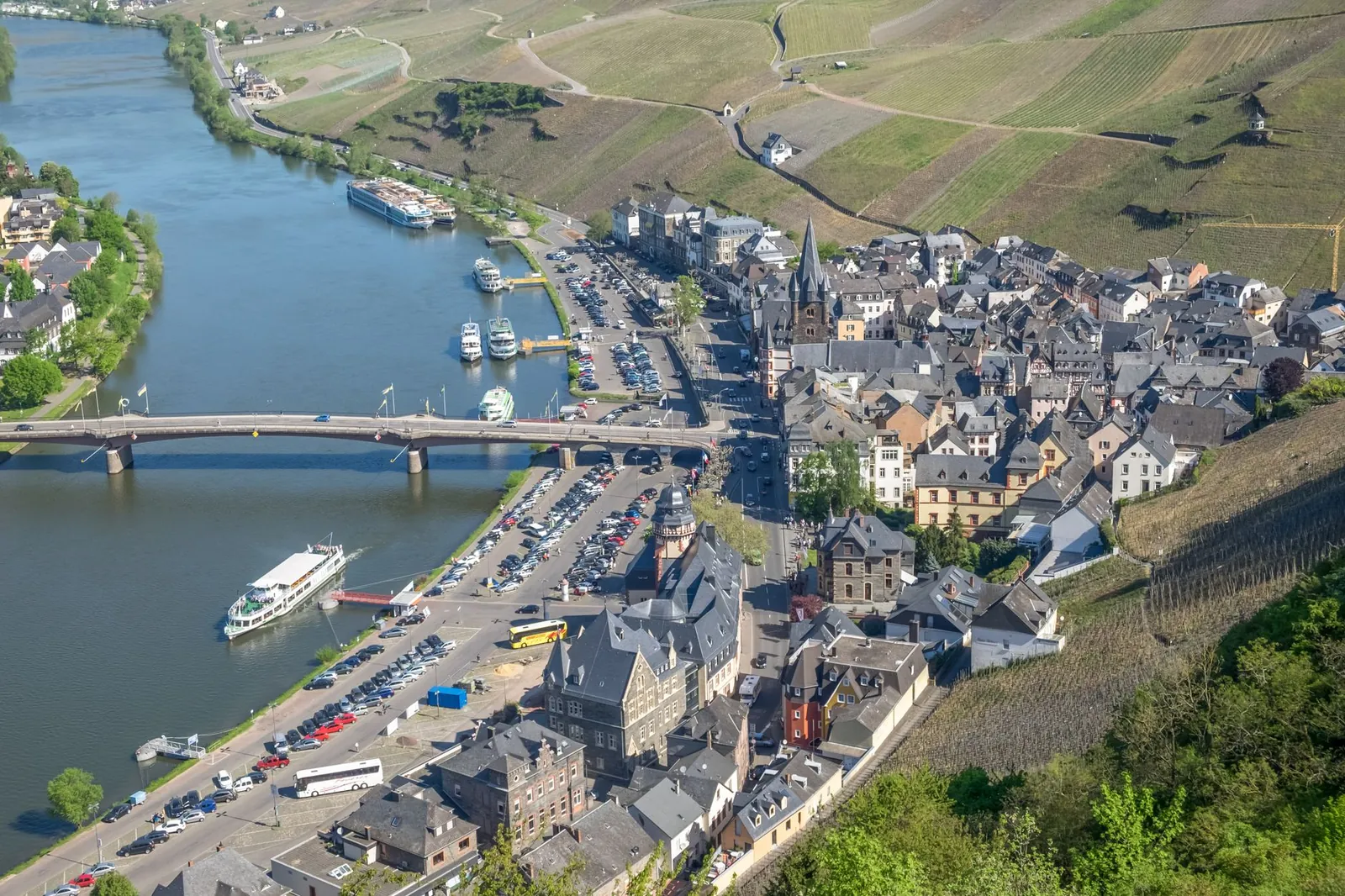
2Bernkastel-Kues Vineyards
3Wineries of Traben-Trarbach
4Reichsburg de Cochem
5Burg Eltz
The vineyards of the Moselle are among the steepest in the world, planted in slate that holds the heat of the day. Tasting dry and sweet Rieslings from neighboring hillsides shows how the soil changes the wine.
SEASONALITY
When to go
A STARTING POINT
Suggested base itinerary
DAY 1
Arrival in Frankfurt
Reception at the airport and night in Frankfurt, with dinner at the Römerberg.
DAY 2
Frankfurt → Trier
Road to Trier and the Porta Nigra, the basilica of Constantine and the imperial baths.
DAY 3
Trier — local experience
The cathedral, the home of Karl Marx and a nearby winery with Riesling from the Saar and the Ruwer.
DAY 4
Trier → Bernkastel-Kues
Road along the riverside to Bernkastel-Kues, the market square and tasting in a family winery.
DAY 5
Bernkastel-Kues → Traben-Trarbach
Walk through the vineyards to the ruins of Landshut castle and the underground cellars of Traben-Trarbach.
DAY 6
Cochem and departure
The Reichsburg of Cochem, the Burg Eltz in the side valley and road back to Frankfurt for the flight.
THE EXPERIENCE
The spirit of the journey
Trier, Germany's oldest city, has the Porta Nigra and Roman baths. Bernkastel-Kues has the half-timbered square and the Doctor vineyard. Traben-Trarbach mixes art nouveau and wine cellars under the streets. Cochem has the Reichsburg, and the Burg Eltz is tucked away in a side valley.
YOUR WAY
I want to design my trip now!Customize your trip
This is a starting point. Order, duration and experiences can be tailored to your pace and interests.